
Key Takeaways
Recognizing pet joint pain signs early can significantly improve your companion’s quality of life. Common indicators include limping, stiffness after rest, and reluctance to jump or climb stairs. Aging is a primary factor, as age-related causes like cartilage degeneration and reduced joint fluid naturally occur over time.
For effective treatments, veterinarians often recommend a combination of mobility enhancement strategies and pain management. Below is a table outlining common symptoms and actionable steps:
| Symptom | Immediate Action | Long-Term Solution |
|---|---|---|
| Difficulty standing | Provide orthopedic bedding | Weight management |
| Reduced activity | Gentle exercise routines | Joint supplements (e.g., glucosamine) |
| Visible discomfort | Anti-inflammatory medication | Physical therapy |
Pet comfort can be boosted through warm compresses and low-impact exercises like swimming. Managing chronic conditions often involves prescription diets or laser therapy, while preventative care focuses on maintaining a healthy weight and regular vet checkups. By addressing these elements holistically, owners can help pets maintain better mobility and reduce pain progression.

Detecting Early Pet Joint Pain Signs
Recognizing pet joint pain signs early can significantly improve your companion’s quality of life. Subtle changes in behavior often signal discomfort, such as reluctance to climb stairs, hesitation before jumping, or reduced activity levels. Pets may also exhibit stiffness after resting, favoring one limb, or licking specific joints excessively. Mobility issues like limping or a slower gait are common indicators, especially in older animals.
Tip: Monitor your pet’s daily routines. A sudden disinterest in walks or playtime could hint at underlying joint discomfort.
Age-related causes, such as cartilage degeneration or ligament weakening, often develop gradually. However, conditions like arthritis may worsen without intervention. Pay attention to vocalizations—whining or growling when touched—or visible swelling around joints. Early detection allows for timely effective treatments, including weight management to reduce joint strain or physical therapy to maintain flexibility.
“Pets instinctively hide pain, so consistent observation is key,” advises Dr. Emily Carter, a veterinary orthopedic specialist.
Transitional phrases like “for instance” or “additionally” help connect symptoms to broader health patterns. For example, a cat avoiding high perches or a dog struggling to rise from naps may both reflect joint stress. Regular vet check-ups, paired with at-home monitoring, create a proactive approach to managing pet comfort and preventing long-term damage. By identifying these signs early, caregivers can implement strategies to enhance mobility before chronic issues take hold.
Age Causes of Pet Joint Discomfort
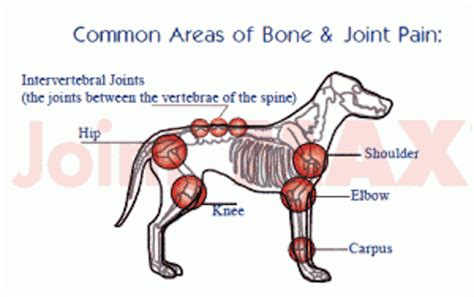
As pets grow older, their bodies undergo natural changes that can contribute to joint discomfort. One primary age-related cause is the gradual breakdown of cartilage, the cushioning tissue between bones. Over time, this wear-and-tear reduces shock absorption, leading to stiffness and inflammation. Larger breeds, such as dogs, often experience hip dysplasia due to genetic factors exacerbated by aging, while smaller animals may develop ligament degeneration in weight-bearing joints.
Another key factor is reduced production of synovial fluid, which lubricates joints. This decline makes movement less smooth, particularly in senior pets. Additionally, years of activity can strain muscles and tendons, weakening support for joints. Osteoarthritis, a common condition in aging pets, often stems from these cumulative changes.
Weight gain in older animals also plays a role, as excess pounds place added stress on joints. While age itself isn’t reversible, understanding these causes helps pet owners recognize risk factors early. Regular vet checkups can identify subtle shifts in mobility or posture, allowing for timely intervention. By addressing age-related changes proactively, caregivers can better support their pets’ long-term comfort and activity levels.
Effective Treatments for Mobility Issues
When addressing mobility challenges in pets, a combination of medical and lifestyle interventions can significantly improve joint function. NSAIDs (non-steroidal anti-inflammatory drugs) prescribed by veterinarians often serve as a first line of defense to reduce inflammation and pain. For pets with chronic conditions, glucosamine and chondroitin supplements may help rebuild cartilage over time, while omega-3 fatty acids from fish oil can ease stiffness.
Physical therapy, including controlled exercises like hydrotherapy or gentle stretching, strengthens muscles around affected joints without strain. Weight management is equally critical, as excess pounds increase pressure on joints—switching to a balanced diet tailored for senior pets can make a noticeable difference. In more severe cases, laser therapy or acupuncture are emerging as non-invasive options to enhance circulation and mobility.
For daily comfort, consider orthopaedic beds that cushion joints and ramps to replace stairs. Regular, low-impact activities like short walks maintain flexibility without overexertion. Always consult a veterinarian to tailor treatments to your pet’s specific needs, ensuring a holistic approach that prioritizes both mobility and long-term comfort.
Boosting Pet Comfort Through Care
Enhancing a pet’s comfort when managing joint pain involves both physical adjustments and attentive daily practices. Orthopedic beds with memory foam can significantly reduce pressure on joints, while temperature-controlled environments—like heated pads in colder months—help soothe stiff muscles. For pets with limited mobility, rearranging their living space to include ramps or non-slip mats minimizes strain during movement.
Regular grooming sessions, especially for older pets, prevent matting and skin irritation that might worsen discomfort. Gentle massages targeting stiff areas improve circulation and flexibility, though always consult a veterinarian for proper techniques. Additionally, maintaining a healthy weight through portion control and low-impact exercises, such as swimming, reduces stress on joints.
Dietary supplements like omega-3 fatty acids or glucosamine can support joint health when paired with balanced nutrition. Monitor your pet’s behavior for subtle signs of pain, such as reluctance to climb stairs or changes in grooming habits, and adjust care routines accordingly. Small acts of comfort—like providing easy access to favorite resting spots—create a sense of security, fostering both physical and emotional well-being.
By blending practical adaptations with consistent, compassionate care, pet owners can create an environment where mobility challenges feel manageable and comfort remains a priority.
Managing Chronic Joint Pain in Pets
Chronic joint pain in pets requires a proactive approach to maintain quality of life and slow disease progression. While acute discomfort may respond to short-term fixes, persistent issues demand tailored strategies. Weight management is critical—excess pounds strain joints, worsening inflammation. A balanced diet rich in omega-3 fatty acids can reduce swelling, while supplements like glucosamine may support cartilage health.
Physical activity remains essential but should focus on low-impact exercises such as swimming or gentle walks to preserve mobility without overloading joints. Veterinarians often recommend therapeutic tools like orthopedic beds or ramps to minimize jumping stress. For pets with advanced arthritis, prescription medications or laser therapy might be necessary to manage pain effectively.
Regular check-ups help adjust treatment plans as conditions evolve. Owners should monitor subtle changes, such as reluctance to climb stairs or shifts in grooming habits, which signal worsening discomfort. Combining medical interventions with environmental adjustments—like non-slip flooring—creates a safer, more comfortable space for pets to navigate daily life. Consistency in care ensures long-term relief and sustains the bond between pets and their families.
Preventative Joint Health Measures
Proactive care plays a critical role in minimizing joint pain risks as pets age. Start with a balanced diet rich in omega-3 fatty acids and glucosamine, which support cartilage health and reduce inflammation. For breeds prone to joint issues, consult a veterinarian about specialized nutritional plans or supplements tailored to their needs. Regular, low-impact exercise—such as leash walks or swimming—helps maintain muscle strength without straining joints, while avoiding sudden jumps or high-impact activities.
Weight management is equally vital, as excess pounds place unnecessary stress on hips and knees. Use portion control and interactive feeders to slow eating and promote healthy digestion. For older pets, consider orthopedic bedding to cushion pressure points and improve sleep quality. Environmental adjustments—like ramps for couches or non-slip mats on slippery floors—can prevent falls and reduce discomfort during movement.
Routine veterinary exams allow for early detection of stiffness or mobility changes, enabling timely interventions. Blood tests or imaging may identify underlying conditions like arthritis before symptoms worsen. By combining these strategies, owners can significantly enhance their pet’s long-term joint health and delay age-related decline.

Diagnosing Arthritis in Aging Pets
Identifying arthritis in older pets requires a combination of careful observation and professional veterinary assessment. Joint pain signs like limping, stiffness after rest, or reluctance to climb stairs may indicate underlying issues. Veterinarians typically begin with a physical exam, checking for swelling, reduced range of motion, or discomfort when moving affected joints. Age-related causes, such as cartilage degeneration or accumulated wear on joints, often contribute to these symptoms.
To confirm a diagnosis, imaging tools like X-rays or MRI scans are used to visualize joint damage, while blood tests rule out other conditions like infections. In some cases, fluid may be drawn from the joint for analysis. Early detection is critical, as untreated arthritis can lead to chronic pain and further mobility loss. Pet owners should note subtle behavioral changes—hesitation to jump, decreased activity, or even irritability—as these can be early warnings.
A clear diagnosis helps tailor effective treatments, such as medication, physical therapy, or dietary adjustments. Regular follow-ups ensure the chosen approach maintains pet comfort while slowing disease progression. By addressing arthritis proactively, owners can significantly enhance their pet’s quality of life.
Non-Surgical Solutions for Joint Pain
When surgery isn’t necessary or preferred, multiple non-invasive treatments can help manage joint discomfort and improve your pet’s quality of life. Nutritional supplements like glucosamine and chondroitin are widely used to support cartilage health, while omega-3 fatty acids reduce inflammation. Veterinarians may also recommend physical therapy, including controlled exercises or hydrotherapy, to strengthen muscles without stressing joints.
Weight management plays a critical role—maintaining an ideal body weight reduces pressure on arthritic joints. For pets needing extra support, orthopedic beds or ramps can minimize strain during rest or movement. Additionally, laser therapy and acupuncture are gaining popularity for their ability to alleviate pain and enhance mobility through targeted energy or pressure-point stimulation.
Prescription medications, such as non-steroidal anti-inflammatory drugs (NSAIDs), are often paired with these approaches for short-term relief. Always consult your vet to tailor a plan that balances safety and effectiveness. When combined, these strategies not only address discomfort but also promote long-term comfort and activity in pets with joint issues.
Conclusion
Recognizing pet joint pain signs early can significantly improve your companion’s quality of life, especially as they age. While age-related causes like cartilage wear or reduced lubrication are common, proactive care helps mitigate discomfort. Combining effective treatments—such as anti-inflammatory medications, joint supplements, or physical therapy—with lifestyle adjustments ensures better mobility enhancement. Simple changes, like adding ramps or orthopedic bedding, directly support pet comfort while reducing strain on joints.
Regular veterinary check-ups remain critical for tailoring care to your pet’s unique needs, whether managing chronic conditions or preventing further deterioration. Remember, even small improvements in daily routines—like controlled exercise or weight management—can have lasting impacts. By staying attentive to subtle behavioral shifts and prioritizing gentle, consistent care, you empower your furry friend to enjoy their golden years with greater ease and vitality.

FAQs
How can I tell if my pet has joint pain?
Look for limping, stiffness after rest, or reluctance to climb stairs or jump. Subtle changes like reduced activity or irritability may also signal discomfort. Regular observation helps catch early pet joint pain signs.
Are certain breeds more prone to joint issues?
Yes, age-related causes often combine with genetic factors. Large breeds like German Shepherds or Labradors face higher risks of hip dysplasia, while smaller breeds may develop patellar luxation. Regular vet checkups can monitor breed-specific risks.
What non-surgical treatments improve mobility?
Effective treatments include physical therapy, anti-inflammatory medications, and supplements like glucosamine. Low-impact exercises such as swimming or gentle walks help maintain joint function without strain.
Can diet impact my pet’s joint health?
Absolutely. Diets rich in omega-3 fatty acids or fortified with joint-supporting nutrients like chondroitin reduce inflammation. Weight management is critical—excess pounds strain joints, worsening mobility enhancement challenges.
When should I consult a vet about joint pain?
Schedule a visit if symptoms persist beyond 48 hours or interfere with daily activities. Early diagnosis of conditions like arthritis allows for timely intervention, improving long-term pet comfort.
Explore Joint Health Solutions for Your Pet
For vet-approved supplements and mobility aids, please click here. Discover tools to support your pet’s active lifestyle and ease discomfort.