

Key Takeaways
Maintaining your pet’s joint health requires a combination of vet-approved joint supplements, proactive care, and tailored therapies. For active pets, mobility support is critical to prevent strain, especially in breeds prone to hip dysplasia or arthritis. Daily care routines—like controlled exercise and weight management—play a vital role in preserving flexibility.
| Supplement Type | Key Benefits | Ideal For |
|---|---|---|
| Glucosamine & Chondroitin | Reduces inflammation, supports cartilage repair | Aging dogs & cats |
| Omega-3 Fatty Acids | Enhances joint lubrication | Pets with mild stiffness |
| CBD Oils | Eases discomfort, improves mobility | Chronic arthritis cases |
Additionally, integrating grooming meets wellness strategies—such as gentle massage during brushing—can improve circulation and detect early signs of joint issues. For pets already showing discomfort, therapies for pet arthritis like hydrotherapy or laser treatments offer non-invasive relief. Always consult your veterinarian before starting new supplements, as optimal pet wellness depends on personalized plans that balance nutrition, activity, and medical guidance.
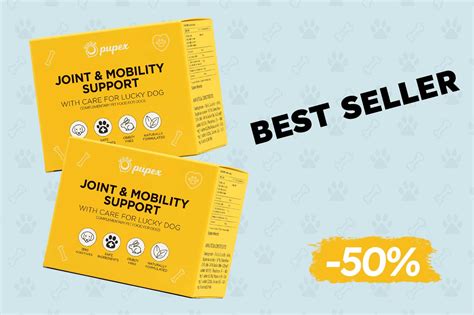
Vet-Backed Joint Supplements Explained
Veterinarians often recommend joint supplements containing glucosamine, chondroitin, and omega-3 fatty acids to support cartilage health and reduce inflammation. These ingredients are scientifically validated to improve mobility in pets, particularly for aging dogs and cats or those with arthritis. Vet-approved formulas prioritize bioavailability, ensuring nutrients are absorbed effectively.
“Always consult your veterinarian before starting any supplement regimen—they can assess your pet’s needs and rule out underlying conditions,” advises Dr. Emily Carter, a board-certified veterinary nutritionist.
Supplements come in various forms, such as chews, liquids, or powders, making administration easier for pets with preferences. Look for products with MSM (methylsulfonylmethane) or green-lipped mussel extract, which may enhance joint lubrication. Brands like Dasuquin and Cosequin are frequently endorsed for their balanced formulations and palatability.
While results vary, many pet owners report noticeable improvements in their animal’s activity levels within 4–6 weeks. However, consistency is key—daily dosing maintains steady nutrient levels. For optimal outcomes, pair supplements with regular low-impact exercise, like swimming or leash walks, to strengthen muscles without straining joints.
Remember, vet-backed options are not substitutes for medical treatments but work best as part of a holistic care plan. Always check for third-party testing certifications to ensure quality and safety.
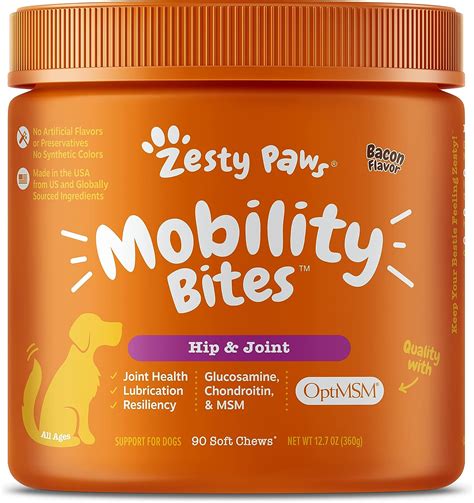
Mobility Support for Active Pets
Maintaining joint health is critical for pets with high energy levels or those engaged in regular physical activities. Regular exercise helps strengthen muscles around joints, but without proper support, it can lead to wear over time. Vet-approved joint supplements containing glucosamine, chondroitin, and MSM are often recommended to promote cartilage repair and reduce inflammation. For pets that enjoy agility training, hiking, or playful routines, incorporating these supplements into their diet can enhance mobility support and prevent stiffness.
A balanced approach combines nutrition with activity moderation. Overexertion, especially in younger pets, may strain developing joints. Veterinarians suggest pairing supplements with controlled exercise sessions and warm-up periods to minimize injury risks. For breeds prone to pet arthritis, such as Labrador Retrievers or Maine Coon cats, early intervention is key. Additionally, therapies for pet arthritis like hydrotherapy or laser treatments can complement daily care by improving circulation and flexibility.
Owners should monitor their pets for signs of discomfort, such as limping or reluctance to jump. Integrating optimal pet wellness practices—like weight management and routine checkups—ensures long-term joint health. By prioritizing both activity and targeted care, pet parents can help their companions stay agile and comfortable through every life stage.
Combatting Arthritis in Dogs and Cats
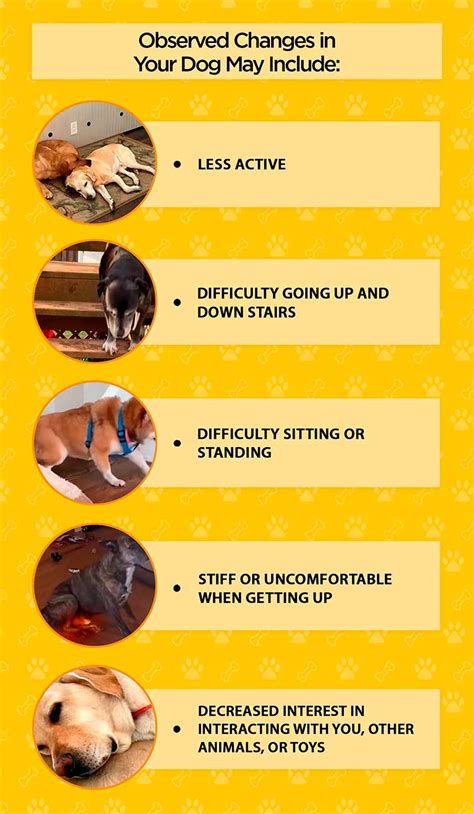
Arthritis is a common condition affecting dogs and cats, particularly as they age. Early detection is critical—watch for signs like stiffness, reluctance to jump, or reduced activity. Vet-approved joint supplements containing glucosamine, chondroitin, or omega-3 fatty acids can help maintain cartilage health and reduce inflammation. Products such as Dasuquin or Cosequin are widely recommended for their clinically studied ingredients.
For pets already showing symptoms, combining supplements with targeted therapies for pet arthritis may improve outcomes. Low-impact exercises like swimming or controlled walks strengthen muscles without straining joints. Veterinarians might also suggest physical therapy or laser therapy to enhance mobility. In severe cases, prescription medications or customized treatment plans could be necessary.
Weight management plays a pivotal role—excess pounds stress joints, worsening discomfort. Pairing a balanced diet with mobility support strategies ensures pets maintain an active lifestyle. Regular vet checkups allow for adjustments to care routines, ensuring optimal pet wellness as conditions evolve. By addressing arthritis proactively, pet owners can significantly improve their companion’s comfort and quality of life.
Daily Care Routines for Joint Health
Consistent daily habits play a vital role in supporting your pet’s joint health and preventing long-term mobility issues. Start by incorporating low-impact exercise into their routine, such as short walks or controlled play sessions, to strengthen muscles without straining joints. For pets with existing discomfort, consider vet-approved joint supplements like glucosamine or omega-3 fatty acids, which can be mixed into meals for easy administration.
Maintaining a healthy weight is equally critical—excess pounds add pressure on joints, worsening conditions like pet arthritis. Use measured portions and avoid overfeeding, especially for less active or senior pets. Additionally, provide soft bedding and non-slip surfaces to reduce joint stress during rest or movement.
Regularly monitor your pet’s behavior for signs of stiffness or reluctance to climb stairs, as early detection allows for timely intervention. Pair these routines with gentle massage techniques to improve circulation and flexibility. By blending daily care with optimal pet wellness strategies, you create a foundation for lasting mobility and comfort.
This proactive approach complements broader therapies and grooming practices, ensuring your pet’s joints remain supported through every life stage.

Grooming Meets Wellness Strategies
While grooming sessions are often associated with coat care, they play a vital role in monitoring and supporting pet joint health. Regular brushing or bathing provides opportunities to check for subtle signs of mobility challenges, such as stiffness when lifting paws or discomfort during handling. For pets with arthritis or age-related joint wear, gentle massage techniques during grooming can improve circulation and ease muscle tension around affected areas.
Integrate vet-approved joint supplements into your routine by opting for shampoos or sprays infused with glucosamine or omega-3 fatty acids, which absorb through the skin to support cartilage health. Trimming nails regularly is equally critical—overgrown claws alter posture, straining joints over time. Pair these practices with daily care routines like controlled exercise and balanced diets to create a holistic approach.
Transitioning smoothly from grooming to broader wellness strategies ensures pets remain agile and comfortable. For example, combining therapeutic grooming with low-impact activities such as swimming reinforces muscle strength without stressing vulnerable joints. This synergy between physical care and proactive health management helps pets maintain mobility, whether they’re playful kittens or senior dogs navigating age-related stiffness.

Top Therapies for Pet Mobility Issues
When addressing pet mobility issues, a combination of modern and traditional therapies can significantly improve comfort and function. Physical therapy tailored for dogs and cats, including guided exercises and stretching routines, helps maintain muscle strength and joint flexibility. Hydrotherapy, or underwater treadmill sessions, is particularly effective for arthritis in pets due to its low-impact nature, reducing stress on inflamed joints.
For chronic conditions, cold laser therapy offers non-invasive pain relief by stimulating cell repair and reducing inflammation. Veterinarians may also recommend weight management plans, as excess weight exacerbates joint strain—studies show even a 10% reduction can improve mobility by up to 30%.
In cases of severe discomfort, prescription medications like NSAIDs (under strict veterinary supervision) or joint fluid modifiers may be advised. Complementary approaches, such as omega-3 fatty acid supplements or acupuncture, can enhance traditional treatments by targeting inflammation and nerve function.
Owners should prioritize regular veterinary checkups to adjust therapies as needed, ensuring they align with the pet’s evolving health status. Pairing these strategies with daily care routines and grooming practices that minimize physical strain creates a holistic approach to sustaining mobility and overall wellness.
Essential Supplements for Aging Pets
As pets enter their golden years, their joints often require extra support to maintain comfort and mobility. Vet-approved joint supplements play a critical role in addressing age-related stiffness and wear. Common choices include formulations with glucosamine and chondroitin, which help rebuild cartilage and reduce inflammation. Omega-3 fatty acids, derived from fish oil or algae, are also widely recommended for their anti-inflammatory properties and ability to support pet mobility support.
For pets showing early signs of arthritis, supplements containing MSM (methylsulfonylmethane) or green-lipped mussel extract may offer targeted relief. These ingredients work synergistically to improve joint lubrication and ease discomfort during movement. Additionally, dog and cat joint care products often incorporate antioxidants like vitamin E or turmeric to combat oxidative stress linked to aging.
It’s worth noting that not all supplements are created equal. Always consult a veterinarian to ensure the product aligns with your pet’s specific needs, especially if they’re already on medication. Pairing these supplements with regular low-impact exercise and weight management can amplify their benefits, creating a holistic approach to optimal pet wellness. By prioritizing joint health early, owners can help aging pets maintain an active, comfortable lifestyle for years to come.
Holistic Approaches to Pet Joint Care
Beyond traditional vet-approved joint supplements and therapies, a holistic strategy combines physical, dietary, and lifestyle adjustments to support long-term pet mobility. A key element is maintaining a balanced diet rich in omega-3 fatty acids and antioxidants, which can reduce inflammation linked to pet arthritis. Many pet owners pair this with low-impact exercises like swimming or controlled walks to strengthen muscles without straining joints.
Alternative therapies, such as acupuncture or hydrotherapy, are gaining traction for their ability to improve circulation and flexibility in dogs and cats. These methods often complement daily care routines, creating a multi-layered defense against stiffness. Environmental modifications—like adding ramps or orthopedic beds—also play a role in minimizing joint stress during everyday activities.
Mental wellness is equally vital. Stress can worsen inflammation, so incorporating calming practices—such as interactive toys or gentle grooming sessions—supports overall wellness. Regular weight management checks ensure excess pounds don’t accelerate joint wear. For aging pets, combining anti-inflammatory ingredients like turmeric with veterinarian guidance can enhance comfort.
This approach emphasizes prevention and adaptability, addressing both the root causes and symptoms of joint issues. By integrating these strategies, pet owners create a sustainable framework for optimal pet wellness that aligns with medical treatments and mobility support plans.
Conclusion
Prioritizing your pet’s joint health is a lifelong commitment that directly impacts their quality of life. By integrating vet-approved joint supplements into their diet and pairing them with daily exercise routines, you can actively support their pet mobility and reduce discomfort caused by age or conditions like arthritis. Whether your companion is a playful puppy or a senior cat, dog and cat joint care requires a proactive approach—combining scientifically backed therapies, such as physical exercises or anti-inflammatory treatments, with regular veterinary checkups.
While therapies for pet arthritis offer relief, prevention remains key. Simple adjustments, like maintaining a healthy weight through balanced nutrition or using orthopedic bedding, can ease strain on joints over time. For aging pets, optimal pet wellness hinges on consistency: stick to recommended supplement dosages, monitor mobility changes, and stay informed about advancements in joint health solutions. Remember, every pet’s needs are unique—consult your veterinarian to tailor a plan that aligns with their specific lifestyle and health history. This holistic strategy ensures your furry friend stays agile, comfortable, and ready to enjoy life’s adventures by your side.
FAQs
How do I choose the right joint supplement for my pet?
Look for vet-approved joint supplements containing ingredients like glucosamine, chondroitin, or omega-3 fatty acids. Always consult your veterinarian to match the product to your pet’s age, breed, and specific needs.
Can joint supplements reverse arthritis in pets?
While they can’t cure arthritis, therapies for pet arthritis like supplements and physical exercises help manage pain and improve mobility support. Early intervention combined with regular checkups offers the best results.
Are there natural ways to support my pet’s joint health?
Yes! Alongside dog and cat joint care products, maintain a healthy weight through diet and low-impact activities. Hydrotherapy or massage can also complement optimal pet wellness routines.
How soon will I see improvements in my pet’s mobility?
Results vary, but many pets show noticeable changes within 4–6 weeks of consistent use. Pair supplements with daily care routines like gentle play or controlled exercise for faster benefits.
Are these products safe for both dogs and cats?
Always check labels—some vet-approved joint supplements are species-specific. Never share dog formulas with cats (or vice versa) without veterinary approval to avoid health risks.
Explore Premium Joint Care Solutions
For trusted pet mobility support and vet-backed solutions, please click here to browse our curated selection: https://forherhim.com/product-category/forit/.