Key Takeaways
Losing belly fat while enjoying beer requires strategic choices and mindful habits. Start by opting for low-calorie beer options like light lagers or IPAs, which typically contain 90–110 calories per serving. Pairing these with protein-rich snacks (e.g., nuts or grilled chicken) can slow alcohol absorption and stabilize blood sugar.
Tip: “Alternate each beer with a glass of water to reduce overall alcohol intake and stay hydrated, which supports alcohol metabolism,” advises nutritionist Dr. Jane Collins.
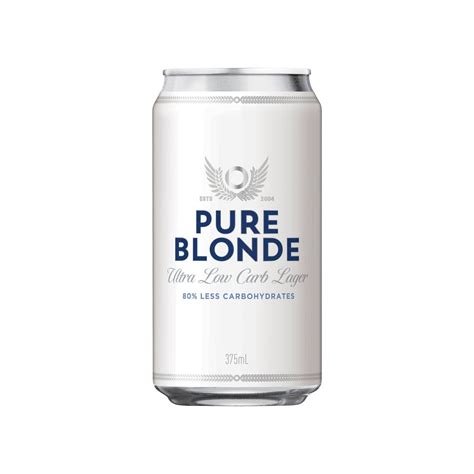
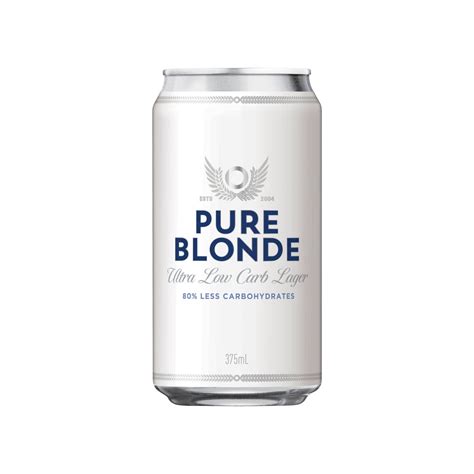
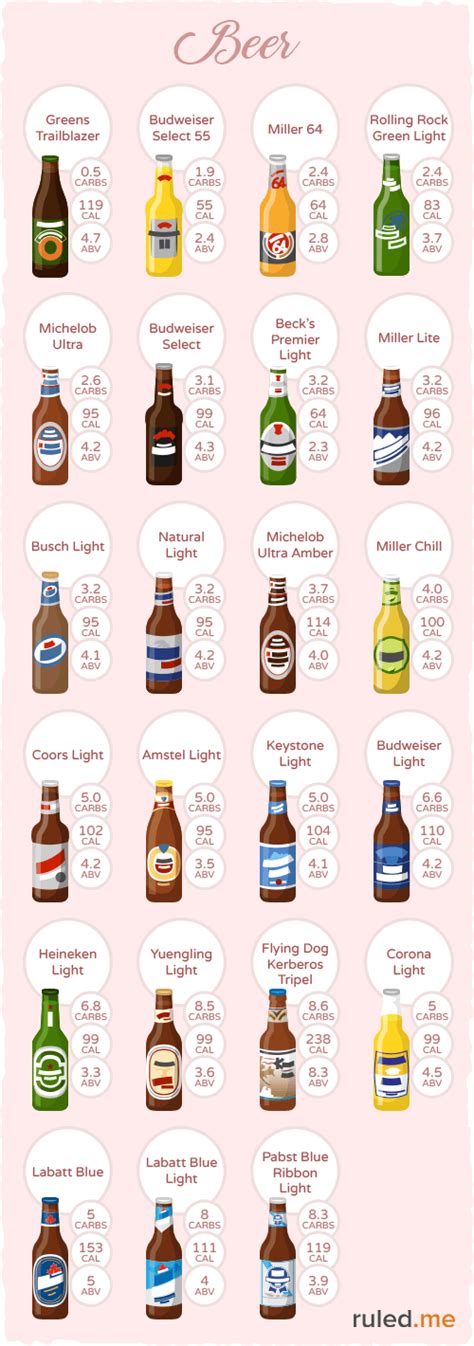
Timing matters—avoid drinking late at night, as alcohol can disrupt sleep and slow fat burn. Instead, enjoy a drink earlier in the evening when your metabolism is more active. Below is a comparison of popular low-calorie beers:
Moderation is key: limit intake to 1–2 drinks per session and prioritize hydration to mitigate bloating. Combine these strategies with regular exercise to counteract belly fat storage linked to alcohol. Remember, balance—not elimination—keeps both your fitness goals and social life intact.
Smart Beer Choices for Belly Fat Loss
Choosing the right beer can make a significant difference in managing belly fat loss while still enjoying an occasional drink. Opt for low-calorie beer options like light lagers, session IPAs, or hoppy sours, which typically contain 90–120 calories per serving. These varieties often have lower alcohol by volume (ABV)—aim for under 5%—to reduce empty calorie intake. Micronutrient-filtered or dry-hopped brews may also retain flavor while cutting carbs.
Prioritize beers labeled “light” or “ultra-light,” as they’re engineered to minimize sugar content without sacrificing taste. For example, a 12-ounce light beer averages 95 calories versus 150+ in regular options. Check nutrition labels for hidden sugars or additives that can spike insulin levels, promoting fat storage.
Pairing smarter choices with drinking strategies for fitness—like alternating beer with water—helps control overall consumption. Additionally, beers rich in hops (like certain pale ales) contain polyphenols that may support metabolism. Remember, moderation remains key: even low-calorie beers contribute to calorie totals, so track intake as part of your daily budget. By aligning your selections with alcohol metabolism tips, you can enjoy a drink without derailing progress.
Balancing Alcohol and Weight Loss Goals
Achieving belly fat loss while enjoying beer requires strategic choices, not total deprivation. The key lies in understanding how alcohol metabolism interacts with your fitness goals. When consumed, alcohol becomes the body’s primary energy source, temporarily slowing fat burning. However, this doesn’t mean you must abandon beer entirely. Instead, focus on moderation and planning. Limit intake to 1-2 drinks per session, and prioritize low-calorie beer options (under 100 calories per serving) to reduce empty calories.
Timing also plays a role. Avoid drinking close to workouts, as alcohol can impair muscle recovery and metabolism-boosting efforts. Pairing beer with protein-rich snacks—like nuts or grilled chicken—can stabilize blood sugar and curb cravings. Additionally, alternate each alcoholic drink with water to stay hydrated and slow consumption.
For those committed to weight loss strategies, tracking total weekly alcohol calories in apps like MyFitnessPal ensures they don’t undermine progress. Remember, consistency in calorie control and active lifestyles matters more than occasional indulgences. By aligning drinking habits with broader fitness routines, you can enjoy beer without derailing your goals.
Low-Cal Brews That Burn Fat Faster
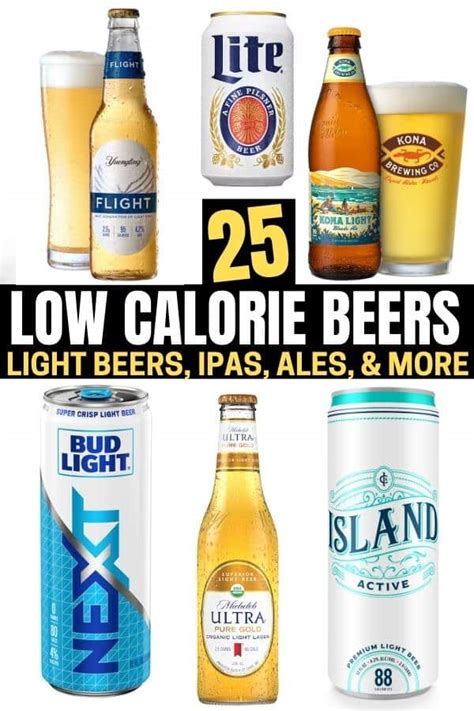
Not all beers are created equal when targeting belly fat loss. Opting for low-calorie beer options can significantly reduce empty calories while still allowing you to enjoy a drink. Brands like Michelob Ultra, Bud Light Next, or Corona Premier pack 80-100 calories per serving—nearly half the calories of traditional brews. This calorie deficit helps prevent excess energy from being stored as fat, especially around the midsection.
But it’s not just about fewer calories. Some low-cal beers now include metabolism-boosting nutrients like electrolytes or trace minerals. For example, selenium-rich brews support thyroid function, which regulates metabolic rate. Pairing these drinks with protein-rich snacks (think nuts or grilled chicken skewers) can further stabilize blood sugar and curb cravings.
Hydration is key: alternating each beer with a glass of water slows alcohol absorption, reduces total intake, and keeps your body’s fat-burning processes active. Avoid sugary mixers or heavy beers, as they spike insulin—a hormone linked to fat storage. Instead, focus on crisp, light lagers or hop-forward session IPAs that deliver flavor without derailing progress. By making smarter choices, you can enjoy your drink while keeping your fitness goals on track.
Drinking Strategies to Boost Metabolism
Timing and moderation are critical when balancing beer consumption with metabolic efficiency. Drinking water between alcoholic beverages not only slows intake but also supports hydration, which is essential for optimal metabolic function. Research shows that alternating one glass of water with each beer can reduce overall calorie intake by up to 30%, helping prevent belly fat storage linked to excessive alcohol consumption.
Another strategy involves choosing low-calorie beer options during active social hours. Light beers with fewer than 100 calories per serving allow you to enjoy a drink without significantly disrupting fat-burning processes. Pairing alcohol with protein-rich snacks, like nuts or grilled chicken, can further stabilize blood sugar levels and reduce cravings that lead to overeating.
Finally, spacing out drinking sessions gives your liver time to metabolize alcohol efficiently. Aim for at least two alcohol-free days per week to prioritize fat oxidation. Light physical activity, such as a 15-minute walk after a drink, can also enhance metabolic rate by stimulating circulation and muscle engagement. By integrating these habits, you create a sustainable balance between enjoying beer and maintaining progress toward belly fat loss goals.
Beer Belly Solutions Without Quitting Alcohol
Reducing belly fat while still enjoying beer requires strategic choices and mindful habits. Start by prioritizing quality over quantity: opt for low-calorie beer options like light lagers or session IPAs, which often contain 90–100 calories per serving. Pairing your drink with protein-rich snacks, such as grilled chicken or nuts, can slow alcohol absorption and stabilize blood sugar levels.
Hydration is key to supporting alcohol metabolism—alternate each beer with a glass of water to stay hydrated and reduce overall consumption. Timing matters, too; avoid drinking late at night, as alcohol can disrupt sleep patterns linked to fat storage. Instead, enjoy a beer earlier in the day when your body’s metabolic rate is higher.
Incorporate movement into your routine: a brisk walk or light resistance exercises after drinking can help offset calorie intake. Finally, practice portion control by using smaller glasses and savoring each sip. These adjustments allow you to enjoy beer without derailing progress, proving that balance—not abstinence—is the sustainable path forward.
Timing Your Drinks for Optimal Fat Burn
When balancing beer consumption with belly fat loss, when you drink matters as much as what you drink. Your body’s alcohol metabolism slows during late-night hours, making it harder to process calories efficiently. Research shows that consuming alcohol closer to midday—when your circadian rhythm peaks—can align with higher metabolic activity, reducing fat storage risks.
Avoid drinking within 3 hours of bedtime, as this disrupts sleep quality and lowers insulin sensitivity, a key factor in fat accumulation. Instead, opt for a light beer earlier in the day, paired with protein or healthy fats to slow sugar absorption. For fitness-focused individuals, scheduling drinks after workouts—but not immediately—helps maintain glycogen stores while allowing muscles to recover.
Timing also involves spacing out drinking sessions. Allow 48–72 hours between alcohol intake to give your liver time to metabolize toxins and resume fat-burning functions. Combining this strategy with low-calorie beer options ensures you enjoy occasional drinks without derailing progress. Remember, consistency in timing supports long-term weight loss goals while keeping your social life intact.
How Alcohol Impacts Belly Fat Storage
When alcohol enters the body, it becomes the priority for metabolism, temporarily halting the breakdown of fats and carbohydrates. This shift forces the body to store unprocessed calories, particularly around the abdomen, where fat cells are more sensitive to hormonal changes. Belly fat accumulation is further fueled by alcohol’s effect on cortisol levels—a stress hormone linked to increased fat storage—and its tendency to stimulate appetite, often leading to poor food choices post-drinking.
Unlike proteins or carbs, alcohol provides empty calories (7 calories per gram) with no nutritional value, making it easier to exceed daily energy needs without feeling full. Additionally, the liver focuses on detoxifying alcohol first, slowing down its ability to metabolize fats effectively. Over time, this can create a cycle where regular drinking slows overall metabolic rate, making it harder to shed stubborn belly fat.
However, this doesn’t mean eliminating beer entirely. By understanding how alcohol interacts with your metabolism, you can make smarter choices—like opting for low-calorie beer options or spacing drinks with water—to minimize its impact. Pairing these strategies with mindful eating and exercise helps balance enjoyment with progress toward weight loss goals.
Light Beer Hacks for Fitness Enthusiasts
Choosing light beer strategically can help maintain progress toward fitness goals without sacrificing social enjoyment. Opt for brews labeled “low-carb” or “sessionable”, which typically contain 90–110 calories per 12-ounce serving—nearly 30% fewer than regular beers. Brands like Michelob Ultra, Corona Premier, or Guinness Draught offer balanced flavor profiles while prioritizing calorie efficiency.
Timing matters: Avoid drinking immediately post-workout when your body prioritizes nutrient absorption over alcohol metabolism. Instead, enjoy a beer 60–90 minutes after exercising, pairing it with a protein-rich snack like grilled chicken or roasted almonds to stabilize blood sugar.
For portion control, use smaller glasses (8–10 oz) to naturally limit intake while savoring each sip. Experiment with “beer dilution” by adding sparkling water or ice to reduce alcohol-by-volume (ABV) without compromising taste. Finally, alternate every alcoholic drink with a glass of water to stay hydrated and slow consumption—a tactic shown to reduce total calorie intake by up to 25% in social settings.
By aligning these practical adjustments with your fitness routine, you can enjoy beer responsibly while keeping belly fat reduction on track.
Conclusion
Achieving belly fat loss while enjoying beer requires a blend of mindful choices and strategic habits. The key lies in understanding how alcohol metabolism interacts with your fitness goals and making adjustments that align with your body’s needs. Opting for low-calorie beer options—such as light brews or those with reduced carbohydrates—can significantly cut empty calories without sacrificing enjoyment. Pairing these choices with hydration (like alternating drinks with water) and timing (avoiding alcohol close to bedtime) helps optimize metabolism and reduce fat storage.
Integrating drinking strategies for fitness—such as scheduling alcohol around workouts or prioritizing protein-rich snacks—ensures your body continues burning fat efficiently. Remember, moderation is critical: limiting intake to 1-2 drinks per session prevents overloading your liver and keeps calorie counts manageable. By balancing beer and weight loss, you create a sustainable approach that prioritizes both health and enjoyment. Small, consistent changes—not deprivation—are the foundation for long-term success in trimming belly fat while still raising a glass.
FAQs
Can I drink beer and still lose belly fat?
Yes, but moderation and smart choices matter. Opt for low-calorie beer options (under 100 calories per serving) and limit intake to 1-2 drinks. Pairing alcohol with protein-rich snacks can slow alcohol metabolism, reducing fat storage risks.
How does alcohol impact belly fat storage?
Alcohol pauses fat burning as your body prioritizes metabolizing it. Excess calories from beer—especially sugary or high-carb varieties—are stored as visceral fat. To counter this, stay active and balance drinking days with calorie-controlled meals.
What are the best low-calorie beers for fitness goals?
Light beers like Michelob Ultra, Corona Premier, or Bud Light Next are popular low-cal brews. Check labels for carbs (aim for <5g per serving) and ABV below 5% to align with weight loss strategies.
When’s the best time to drink beer without sabotaging progress?
Time drinks around workouts: having a beer after exercise may slightly boost recovery, but avoid pre-workout alcohol. Always hydrate with water between drinks to speed alcohol metabolism and reduce bloating.
How can I boost metabolism while drinking beer?
Incorporate strength training to build muscle, which burns more calories at rest. Add lemon or lime to beer for flavor without extra sugar, and choose light beer hacks like mixing with sparkling water to cut calories.
Explore Fitness-Friendly Brews Today
Ready to try low-calorie beer options that fit your goals? Click here to discover curated picks that balance taste and fitness.