
Key Takeaways
For time-crunched professionals aiming to shed excess weight, success hinges on efficient strategies that align with demanding schedules. The foundation lies in combining science-backed nutrition with 20-minute workouts designed for maximum calorie burn. Prioritize sustainable fat loss over extreme diets by focusing on nutrient-dense meals that require minimal prep time—think grilled proteins, pre-cut vegetables, and portion-controlled snacks.
Adopting a flexible routine ensures consistency without burnout. For example, pair 10-minute strength circuits (e.g., bodyweight squats, push-ups) with 10-minute cardio bursts (e.g., cycling, stair climbing) to create full-body workouts. Meanwhile, leverage tools like meal-planning apps to streamline grocery lists and avoid last-minute fast-food traps. By balancing efficient meal prep with targeted exercise, busy individuals can maintain steady progress—even with unpredictable schedules. The key is prioritizing evidence-based methods that deliver results without demanding unsustainable time commitments.

Busy Men’s 20-Minute Fat Loss Formula
For time-crunched professionals, sustainable fat loss hinges on strategic efficiency—not endless gym hours. Research shows short, high-intensity workouts can trigger afterburn effects, where the body continues burning calories post-exercise. A 20-minute metabolic conditioning circuit—combining bodyweight moves like burpees, push-ups, and mountain climbers—maximizes calorie burn while preserving muscle. Pair this with compound movements (e.g., squats or kettlebell swings) to engage multiple muscle groups, amplifying results.
Consistency matters more than duration. Schedule workouts during natural breaks: pre-work, lunch, or post-commute. Studies reveal three 20-minute weekly sessions improve cardiovascular health and fat oxidation comparably to longer routines. To optimize time, prioritize progressive overload—gradually increasing resistance or intensity—to ensure continuous adaptation.
Nutritional alignment is critical. Pair workouts with protein-rich meals (e.g., grilled chicken or plant-based alternatives) to support muscle recovery and satiety. Prep ingredients in bulk during weekends (efficient meal prep) to avoid reliance on processed options. Tools like portion-controlled containers or slow cookers streamline this process, ensuring calorie-conscious choices even during hectic days.
By merging science-backed fitness strategies with realistic time management, busy men can achieve lasting results without sacrificing career or personal commitments.
Science-Backed Meal Prep Strategies
For busy professionals, efficient meal prep isn’t just about saving time—it’s about aligning food choices with evidence-based nutrition principles. Research shows that prioritizing high-protein meals (30–40g per meal) supports muscle retention and boosts metabolism, critical for sustainable fat loss. Start by planning 3–4 core recipes weekly, focusing on lean proteins like chicken, turkey, or tofu, paired with fiber-rich vegetables and complex carbs like quinoa or sweet potatoes.
“Pre-portion meals into divided containers to control calories and avoid overeating. This method reduces decision fatigue and keeps portions aligned with your goals.”
Incorporate nutrient timing by scheduling protein-heavy meals post-workout to maximize recovery. Studies highlight the protein leverage hypothesis, where adequate protein intake naturally reduces cravings. For time-strapped days, batch-cook staples like grilled chicken or roasted veggies—they can be repurposed into salads, wraps, or stir-fries in minutes. Avoid fad diets by sticking to balanced macros: aim for 40% protein, 30% carbs, and 30% fats. Finally, use frozen vegetables or pre-cut produce to slash prep time without sacrificing nutrition. This approach ensures meals support both energy needs and fat loss, even on hectic schedules.
Sustainable Weight Loss Without Fad Diets
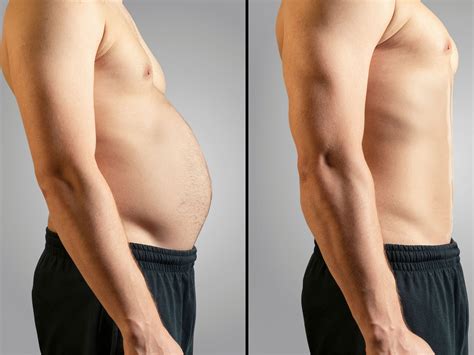
Achieving lasting results requires avoiding shortcuts that promise rapid fixes. Fad diets often rely on extreme restrictions, which temporarily reduce weight but fail to address long-term health or lifestyle compatibility. Instead, focus on science-backed strategies that prioritize metabolic efficiency and nutritional balance. Start by building meals around lean proteins, fiber-rich vegetables, and complex carbohydrates—foods proven to stabilize energy levels and curb cravings.
Research shows that sustainable fat loss hinges on consistent habits, not drastic calorie cuts. For example, a 2018 study in The American Journal of Clinical Nutrition found that participants who maintained moderate portion control lost 30% more body fat over 12 months compared to those following rigid diets. Pair this approach with efficient meal prep—dedicating 90 minutes weekly to batch-cook proteins and vegetables ensures you’re never forced into unhealthy choices during busy days.
Hydration and sleep also play critical roles. Dehydration can mimic hunger signals, leading to unnecessary snacking, while poor sleep disrupts hormones like leptin and ghrelin, which regulate appetite. For busy professionals, integrating these elements into a routine creates a self-reinforcing cycle: better energy supports effective workouts, and balanced nutrition fuels productivity.
By rejecting quick fixes and embracing evidence-based methods, you create a system that works with your schedule—not against it. This foundation makes 20-minute workouts and smart food choices sustainable, turning weight loss from a struggle into a seamless part of daily life.
Efficient Workouts for Maximum Results
For time-crunched professionals, 20-minute workouts can deliver exceptional fat-loss results when designed with intensity and precision. Research shows that high-intensity interval training (HIIT) boosts metabolism and burns calories long after the session ends. Focus on compound movements like squats, deadlifts, and push-ups, which engage multiple muscle groups simultaneously—maximizing efficiency. A study published in the Journal of Sports Science found that combining 30-second sprints with bodyweight exercises increased fat oxidation by 36% compared to steady-state cardio.
To optimize limited time, structure workouts in circuit formats, alternating between strength and cardio exercises with minimal rest. For example, pair kettlebell swings with burpees for a full-body burn. Consistency matters more than duration—three 20-minute sessions weekly yield better long-term results than sporadic hour-long workouts.
Progressive overload—gradually increasing resistance or reps—ensures continued muscle growth and fat loss. Tools like resistance bands or adjustable dumbbells allow quick setup at home or the office. Remember, recovery is key: prioritize 7-8 hours of sleep and hydration to support sustainable progress. By aligning workout design with science-backed principles, busy men can achieve lean muscle retention and fat loss without sacrificing their schedules.
Balancing Fitness and Busy Schedules
Juggling professional responsibilities and personal commitments often leaves little room for fitness. However, integrating sustainable fat loss into a packed schedule requires strategic planning rather than drastic overhauls. Start by anchoring workouts to existing routines—pair a 20-minute workout with morning coffee or use lunch breaks for brisk walks. Research shows short, high-intensity sessions boost metabolism comparably to longer workouts, making them ideal for time-crunched professionals.
Equally critical is streamlining nutrition through efficient meal prep. Dedicate 90 minutes weekly to batch-cooking proteins, complex carbs, and vegetables. Portion-controlled containers eliminate guesswork and reduce reliance on calorie-dense takeout. For added efficiency, leverage slow cookers or pressure cookers for hands-off cooking.
Consistency thrives on flexibility. If a meeting disrupts your gym time, opt for bodyweight exercises at home. Apps with timed circuits (e.g., 45 seconds work/15 seconds rest) maximize effort in minimal windows. By viewing fitness as non-negotiable “meetings” with yourself, you create accountability without sacrificing productivity. This alignment of science-backed fitness strategies with real-world demands ensures progress persists even during hectic phases.
Meal Planning Hacks for Busy Professionals
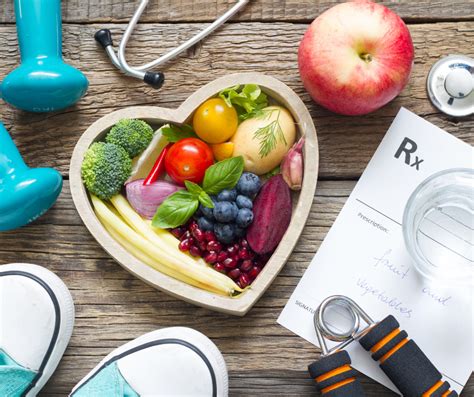
For time-crunched professionals, efficient meal prep is the cornerstone of sustainable fat loss. Start by dedicating 90 minutes weekly to batch cooking—grill lean proteins like chicken or tofu, roast vegetables, and portion whole grains like quinoa or brown rice. Use stackable containers to organize meals by calorie and macronutrient goals, ensuring balanced nutrition without daily guesswork.
Incorporate science-backed strategies like prioritizing nutrient density over restrictive diets. Pre-pack high-protein snacks (hard-boiled eggs, Greek yogurt) to curb midday cravings and avoid processed options. Apps like MyFitnessPal can track intake in seconds, aligning meals with your 20-minute workout recovery needs.
To save time, leverage kitchen tools: slow cookers or instant pots automate cooking, while frozen vegetables retain nutrients without prep. Design a rotating 3-4 meal template to minimize decision fatigue—for example, Monday/Wednesday: grilled chicken bowls; Tuesday/Thursday: salmon stir-fry.
Finally, sync meal prep with your schedule. Sunday evenings work for many, but if weeknights are calmer, split tasks: chop veggies Tuesday, cook proteins Thursday. Consistency matters more than perfection—small, repeatable habits yield lasting results without derailing a busy lifestyle.

Proven Fitness Tactics for Lasting Results
Building a lean physique requires science-backed fitness strategies that prioritize efficiency and consistency. For busy professionals, 20-minute workouts built around high-intensity interval training (HIIT) or compound exercises deliver maximum calorie burn while preserving muscle mass. Studies show that short bursts of intense activity, such as sprints or kettlebell circuits, elevate metabolism for hours post-workout, supporting sustainable fat loss. Focus on movements like squats, deadlifts, and push-ups—these engage multiple muscle groups, amplifying results in minimal time.
Consistency trumps intensity alone, which is why structured routines matter. Schedule workouts as non-negotiable appointments, using tools like interval timers or fitness apps to track progress. Pair this with efficient meal prep to ensure nutrient-dense meals align with your goals—think grilled chicken, roasted vegetables, and quinoa prepared in bulk. Research emphasizes that combining resistance training with adequate protein intake (1.6–2.2g per kg of body weight) preserves muscle during weight loss, preventing rebound weight gain.
Finally, prioritize recovery. Sleep quality and hydration directly impact fat-burning hormones like cortisol and growth hormone. Even with a packed schedule, aim for 7–8 hours of sleep nightly and hydrate consistently to optimize performance. This integrated approach—short workouts, smart nutrition, and recovery—creates a sustainable cycle for lasting results without drastic lifestyle changes.
Time-Efficient Nutrition for Fat Loss
For busy men aiming to shed fat, smart nutrition planning is non-negotiable. The key lies in prioritizing nutrient density while minimizing time spent in the kitchen. Start with efficient meal prep strategies: batch-cook lean proteins like chicken or turkey, pair them with pre-chopped vegetables, and use measured portions of complex carbs like quinoa or sweet potatoes. This approach ensures balanced meals in minutes, avoiding reliance on processed convenience foods.
Research shows that sustainable fat loss thrives on consistency, not perfection. Focus on protein-rich breakfasts (30+ grams) to curb mid-morning cravings and maintain muscle mass. Keep snacks simple—hard-boiled eggs, Greek yogurt, or a handful of nuts—to stabilize energy without derailing progress. For time-crunched days, opt for ready-to-drink protein shakes or pre-packaged salads with grilled meat, but always check labels for hidden sugars.
Hydration is often overlooked—aim for 3-4 liters of water daily to optimize metabolism and reduce false hunger signals. Finally, align your eating window with your schedule; time-restricted feeding (e.g., 12:8 fasting) can simplify decisions while supporting fat-burning. By combining these science-backed strategies with your 20-minute workouts, you’ll create a system that fits seamlessly into a demanding routine.
Conclusion
Sustainable fat loss for busy men doesn’t require extreme measures—it demands smart planning and strategic action. By combining efficient meal prep with 20-minute workouts, this approach aligns with science-backed fitness strategies to deliver results without overwhelming your schedule. The key lies in consistency, not perfection: prepping nutrient-dense meals in advance eliminates daily guesswork, while short, high-intensity sessions maximize calorie burn and muscle retention.
This method acknowledges the realities of modern life—demanding careers, family responsibilities, and limited free time—by prioritizing time-efficient nutrition and targeted exercise. Instead of chasing quick fixes, focus on gradual progress through habits that fit seamlessly into your routine. Sustainable weight loss thrives on simplicity: use tools like batch cooking or app-based workout timers to stay on track, and measure success through energy levels and performance gains, not just scale numbers.
Ultimately, the goal is to create a system that works with your lifestyle, not against it. By maintaining this balance, you’ll build lasting health improvements that extend far beyond aesthetics—proving that even the busiest schedules can accommodate meaningful fitness transformations.
FAQs
How can busy men balance fitness with a demanding schedule?
Focus on 20-minute workouts that prioritize compound movements like squats, push-ups, and kettlebell swings. These exercises burn calories efficiently while building muscle. Pair this with time-efficient nutrition—prepping meals in batches to avoid unhealthy last-minute choices.
Are short workouts effective for sustainable fat loss?
Yes, when designed around science-backed fitness strategies. High-intensity interval training (HIIT) in 20-minute sessions boosts metabolism for hours post-workout. Combine this with consistent protein intake to maintain muscle mass and accelerate sustainable weight loss.
What meal prep strategies work best for weight loss?
Opt for efficient meal prep by cooking proteins (chicken, tofu) and complex carbs (quinoa, sweet potatoes) in bulk. Use portion-controlled containers to manage calorie intake. Incorporate fiber-rich vegetables to stay full longer and avoid fad diets that promise quick fixes but lack nutrients.
How do I avoid regaining lost weight?
Focus on lifestyle changes over temporary fixes. Stick to sustainable habits like weekly meal prep, regular short workouts, and adequate sleep. Track progress with a fitness app to stay accountable and adjust strategies as needed.
Can I build muscle with limited gym time?
Absolutely. Prioritize efficient workouts targeting major muscle groups. For example, 20-minute sessions combining resistance training and bodyweight exercises can stimulate growth. Pair this with a protein-rich diet to support recovery and muscle retention.
Ready to simplify your fitness journey?
Explore our curated selection of time-saving fitness tools and meal prep essentials designed for busy lifestyles here. Click the link to discover products that align with science-backed strategies for lasting results.