
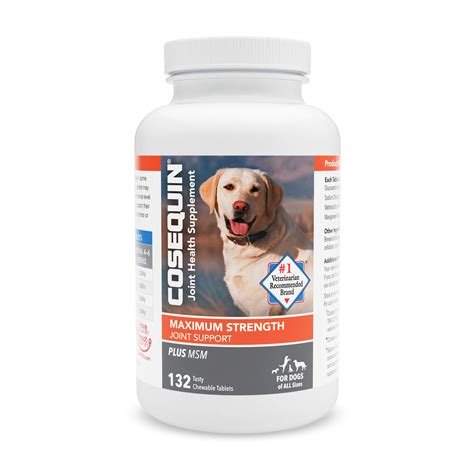
Key Takeaways
Understanding these core components helps pet owners make informed decisions about joint supplements:
- Glucosamine naturally occurs in cartilage and supports tissue repair, particularly effective for dogs with early signs of stiffness
- Chondroitin works synergistically with glucosamine to reduce inflammation and improve shock absorption in joints
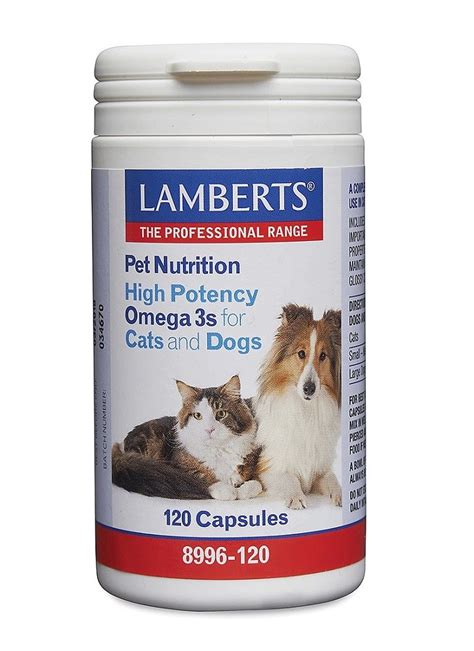
- Omega-3 fatty acids (especially EPA/DHA) ease stiffness in cats and dogs by lowering inflammatory responses
- Senior pets often require combined formulas addressing age-related wear, mobility limitations, and comfort
“Supplements work best when started before severe joint issues develop. Early intervention can slow cartilage breakdown,” advises veterinary nutritionist Dr. Emily Carter.
| Supplement | Primary Benefit | Ideal For |
|---|---|---|
| Glucosamine | Cartilage repair | Dogs 5+ years |
| Chondroitin | Inflammation control | Pets with arthritis |
| Omega-3s | Stiffness reduction | Cats & small breeds |
When selecting supplements, prioritize products with third-party testing to ensure purity and accurate dosing. Research shows combined formulas with glucosamine, chondroitin, and omega-3s improve mobility in 78% of senior pets within 8–12 weeks. Always consult your vet to match supplements to your pet’s specific needs.
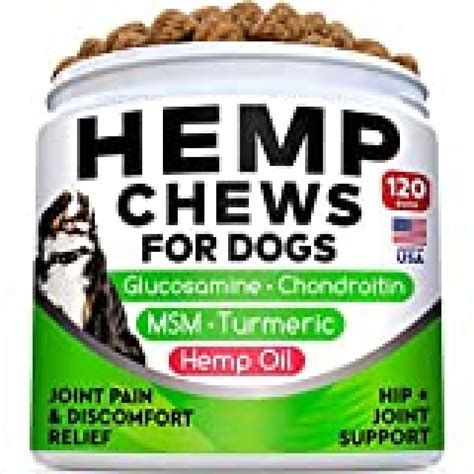
Pet Joint Supplements: Key Ingredients Explained
Understanding the core components of pet joint supplements helps owners make informed choices for their aging companions. The most effective formulas typically combine glucosamine, chondroitin, and omega-3 fatty acids, each playing a distinct role in supporting joint function. Glucosamine, a natural compound found in cartilage, aids in rebuilding cushioning tissue between bones, which is especially crucial for dogs with stiff hips or knees. Chondroitin sulfate works synergistically with glucosamine, slowing cartilage breakdown and improving shock absorption during movement.
For cats, omega-3s (particularly EPA and DHA from fish oil) offer anti-inflammatory benefits, easing discomfort caused by chronic joint stiffness. These fatty acids also support overall mobility by promoting healthy nerve signaling in arthritic pets. While many supplements focus on one primary ingredient, combination formulas often deliver better results by addressing multiple aspects of joint health simultaneously.
When evaluating products, prioritize supplements with standardized ingredient concentrations and third-party testing for purity. For senior pets, formulations enhanced with antioxidants like vitamin E can further protect joints from oxidative stress. Always consult a veterinarian to match specific nutrient ratios to your pet’s age, breed, and mobility challenges.
Glucosamine for Dogs: Joint Health Essentials
Glucosamine plays a critical role in maintaining healthy cartilage and joint function for dogs, particularly as they age. This naturally occurring compound helps rebuild cartilage—the cushioning tissue between bones—by stimulating the production of glycosaminoglycans, essential molecules for joint repair. Senior pets or breeds prone to joint issues, such as Labradors or German Shepherds, often benefit most from daily supplementation.
Most pet joint supplements combine glucosamine with chondroitin, as these two ingredients work synergistically to reduce inflammation and improve mobility. While glucosamine focuses on cartilage repair, chondroitin helps block enzymes that break down joint tissue, creating a dual-action approach. Veterinarians typically recommend doses based on a dog’s weight, with smaller breeds needing less than larger counterparts.
Though primarily sourced from shellfish, synthetic or plant-based options exist for pets with allergies. Studies show improvements in stiffness and activity levels within 4–6 weeks of consistent use. However, results vary depending on factors like the severity of joint wear and overall health. Always consult a vet before starting any regimen, as underlying conditions may require tailored solutions.
This foundational nutrient pairs well with omega-3s or other anti-inflammatory agents, forming part of a holistic strategy to support senior pet mobility. By addressing cartilage degradation early, owners can help their dogs maintain comfort and flexibility through their golden years.
Chondroitin Benefits in Pet Mobility Support
Chondroitin plays a critical role in maintaining joint health for pets, particularly as they age. This naturally occurring compound works alongside glucosamine to support cartilage structure, acting like a “shock absorber” in joints. By attracting and retaining water within cartilage, chondroitin helps maintain elasticity and cushioning, which is vital for pets with stiffness or reduced mobility. Studies suggest it may also inhibit enzymes that break down cartilage, offering protective benefits for aging joints.
In senior pets, chondroitin supplements are often paired with omega-3 fatty acids to address inflammation, creating a multi-action approach to joint care. Veterinarians note that pets on chondroitin-rich diets often show improved ease in standing, climbing stairs, or engaging in play. While results vary, many pet owners report noticeable changes in their animal’s comfort levels within 4–6 weeks of consistent use.
For optimal effectiveness, chondroitin is most impactful when combined with other nutrients like glucosamine and MSM, forming a synergistic blend that addresses multiple aspects of joint health. Always consult a vet to determine appropriate dosing, as requirements differ based on a pet’s size, breed, and existing mobility challenges.
Omega-3s for Cats: Easing Joint Stiffness
While glucosamine and chondroitin are often highlighted for canine joint health, omega-3 fatty acids play a critical role in supporting feline mobility. Found naturally in fish oils and certain algae, these essential nutrients help reduce inflammation—a key contributor to stiffness in aging cats. EPA (eicosapentaenoic acid) and DHA (docosahexaenoic acid), two primary omega-3s, work by blocking enzymes that break down cartilage and promoting healthier joint fluid production.
Cats, unlike dogs, cannot efficiently convert plant-based omega-3s into active forms, making marine-derived supplements particularly valuable. Regular intake may improve flexibility in senior cats, allowing them to jump or climb with less discomfort. Research suggests omega-3s also support skin, coat, and cognitive health, offering multifunctional benefits beyond joint care.
When selecting supplements, opt for products formulated specifically for cats, as improper dosing or additives can cause digestive issues. Liquid forms or soft chews are often easier to administer than pills. Always consult a veterinarian to align supplementation with your cat’s diet and health status, ensuring safe and effective support for their mobility needs.
Senior Pet Mobility: Top Supplement Solutions
As pets age, maintaining joint health becomes critical for their comfort and activity levels. Glucosamine and chondroitin are foundational ingredients in most pet joint supplements, working synergistically to slow cartilage breakdown and improve joint lubrication. These compounds help reduce stiffness, particularly in dogs with arthritis or hip dysplasia. For cats, omega-3s (especially EPA and DHA from fish oil) play a unique role in easing inflammation, which often contributes to reduced mobility in older felines.
Combining these nutrients creates a multi-action approach: glucosamine supports cartilage repair, chondroitin enhances shock absorption, and omega-3s address underlying inflammation. Some formulas also include MSM or hyaluronic acid for added joint cushioning. When selecting supplements, consider your pet’s size, species, and specific needs—for example, liquid options may work better for cats, while chewable tablets are popular for dogs.
It’s worth noting that senior pet mobility can also benefit from weight management strategies, as excess weight strains aging joints. Always consult your veterinarian to tailor a plan that aligns with your pet’s health profile and lifestyle.
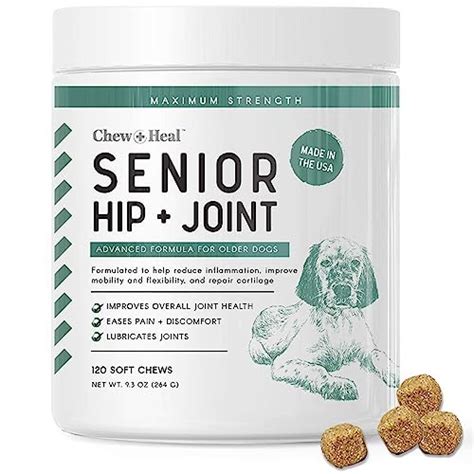
How Joint Supplements Work for Aging Pets
As pets age, their bodies produce fewer natural compounds that maintain joint health, leading to stiffness and reduced mobility. Joint supplements address this decline by delivering targeted nutrients that support cartilage repair, reduce inflammation, and improve lubrication in joints. Glucosamine, a building block of cartilage, helps rebuild worn-down tissue and stimulates the production of synovial fluid—a natural lubricant that cushions joints during movement. Combined with chondroitin, which blocks enzymes that break down cartilage, these ingredients create a protective barrier for vulnerable joints.
Omega-3 fatty acids, particularly EPA and DHA, play a critical role in managing inflammation. They inhibit inflammatory pathways triggered by aging or conditions like arthritis, easing discomfort and improving flexibility. For senior pets, supplements often include additional components like collagen or methylsulfonylmethane (MSM) to enhance connective tissue strength and reduce oxidative stress.
These nutrients work synergistically: glucosamine and chondroitin focus on structural repair, while omega-3s address underlying inflammation. Over time, this combination helps restore smoother joint function, allowing older pets to move more comfortably and maintain their activity levels. Regular use is key, as cartilage regeneration and anti-inflammatory effects require sustained support to produce visible improvements in mobility.
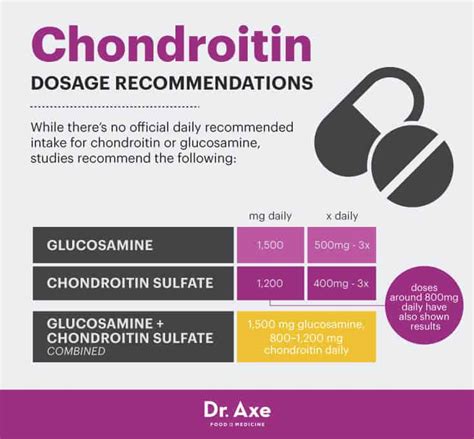
Combining Nutrients for Optimal Joint Care
While individual ingredients like glucosamine and chondroitin offer specific benefits, combining key nutrients creates a synergistic effect that enhances joint health support. Glucosamine for dogs works by maintaining cartilage structure, while chondroitin helps retain moisture in connective tissues, improving shock absorption during movement. When paired with omega-3s for cats or dogs, these compounds gain an anti-inflammatory boost, addressing stiffness more effectively than standalone supplements.
Research shows that senior pet mobility improves significantly when formulas include methylsulfonylmethane (MSM) or hyaluronic acid alongside core ingredients. For example, MSM supports collagen production, while hyaluronic acid lubricates joints—both complementing glucosamine’s cartilage-repair role. This multi-nutrient approach not only targets discomfort but also slows degenerative changes common in aging pets.
When selecting blends, prioritize products with balanced ratios of chondroitin benefits-focused compounds (like 20:1 glucosamine-to-chondroitin) and verified omega-3 concentrations. Always consult a veterinarian to tailor combinations to your pet’s needs, as factors like weight, breed, and existing joint conditions influence nutrient absorption. By integrating complementary ingredients, caregivers can address multiple aspects of joint health, from lubrication to inflammation control, ensuring pets maintain comfort and flexibility longer.
Choosing the Right Pet Joint Supplements Guide
Selecting effective joint supplements for pets requires understanding their unique needs. Start by considering your pet’s age, size, and activity level—senior animals or large breeds often need higher doses of glucosamine and chondroitin to maintain cartilage health. Look for products that combine these ingredients with omega-3 fatty acids, which reduce inflammation and improve joint flexibility.
Check labels for bioavailable forms of nutrients, like methylsulfonylmethane (MSM) or green-lipped mussel extract, which enhance absorption. Many supplements now include hyaluronic acid or turmeric to further support mobility. For cats, opt for fish oil-based formulas rich in EPA and DHA, as they’re easier to administer and better tolerated.
Always verify third-party testing certifications (e.g., NSF or NASC) to ensure purity and potency. Liquid or chewable options work well for pets with swallowing difficulties, while flavored tablets simplify dosing. Consult your veterinarian before starting any regimen—they can recommend tailored solutions based on bloodwork or existing health conditions. Avoid products with unnecessary fillers or artificial additives, focusing instead on balanced formulas that align with your pet’s specific stage of life.
Conclusion
Maintaining your pet’s joint health requires understanding how key nutrients like glucosamine, chondroitin, and omega-3s work together to support mobility. Glucosamine for dogs helps rebuild cartilage, while chondroitin benefits include protecting existing joint tissue from breakdown. For cats, omega-3s play a critical role in reducing inflammation linked to stiffness, particularly in senior pets. When combined, these ingredients create a synergistic effect that addresses multiple aspects of joint function—from lubrication to pain relief.
While each ingredient offers unique benefits, the real power lies in formulations tailored to your pet’s age, size, and specific needs. For aging animals, senior pet mobility solutions often blend these nutrients with antioxidants or vitamins to enhance effectiveness. Always consult a veterinarian before starting any supplement regimen, as they can recommend products backed by clinical research. By prioritizing pet joint supplements that align with your companion’s lifestyle, you’re investing in their long-term comfort and ability to stay active.
Frequently Asked Questions
When should I start giving my pet joint supplements?
Most pets benefit from joint supplements like glucosamine and chondroitin starting around age 5-7, but early intervention may help breeds prone to joint issues. Consult your vet for personalized timing.
Are omega-3s safe for cats with joint stiffness?
Yes, omega-3s for cats (from fish oil) are safe and effective for reducing inflammation. Look for veterinary-approved formulas to ensure proper dosing and purity.
Do senior pets need different supplements than younger ones?
Senior pet mobility often requires stronger formulas with combined ingredients like chondroitin benefits and glucosamine for dogs or cats. Age-specific blends address wear-and-tear more effectively.
Can I give human supplements to my pet?
No—human supplements may contain unsafe additives or incorrect dosages. Always choose products specifically designed for pets to avoid health risks.
How long until I see results?
Most pets show improvement in 4-6 weeks, but consistency is key. For chronic issues, it may take 2-3 months to notice significant changes in mobility.
Explore Trusted Joint Health Solutions
For vet-recommended pet joint supplements tailored to dogs and cats, please click here to browse scientifically formulated options.