

Key Takeaways
Maintaining joint health in dogs requires tailored strategies that evolve with their age. Puppies need controlled growth to prevent developmental issues, while adult dogs benefit from balanced exercise to sustain mobility. Senior canines often require proactive measures to manage stiffness or arthritis.
Three pillars form the foundation of lifelong joint care: age-specific nutrition, vet-approved exercise, and early detection of mobility changes. For example, puppies thrive on diets rich in calcium and phosphorus, whereas seniors may need supplements like glucosamine. Below is a quick reference table for critical considerations:
| Life Stage | Nutritional Focus | Exercise Guidelines |
|---|---|---|
| Puppy | Controlled calorie intake | Short, gentle play sessions |
| Adult | Lean protein sources | Regular walks + agility training |
| Senior | Joint-support supplements | Low-impact activities (e.g., swimming) |
Transitioning between these stages smoothly relies on observing subtle signs, such as reluctance to climb stairs or stiffness after naps. Always consult a veterinarian to adjust routines as your dog ages, ensuring lifelong mobility and comfort.
Puppy Joint Development Essentials
A puppy’s joint health begins with proper nutrition and controlled growth. High-quality puppy food formulated for large or small breeds ensures balanced levels of calcium and phosphorus, which are critical for bone development. Overfeeding can lead to rapid weight gain, straining developing joints, so portion control is essential.
Equally important is avoiding excessive exercise during growth spurts. While playtime supports muscle development, repetitive high-impact activities like jumping or long runs can stress immature joints. Structured, low-impact activities—such as short walks or gentle fetch—promote mobility without risking injury.
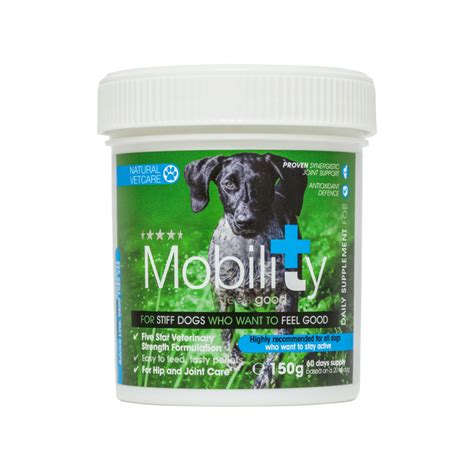
Regular veterinary check-ups help identify congenital issues early. Vets may recommend glucosamine supplements or breed-specific care plans to support joint formation. For example, some supplements designed for joint health in humans share ingredients safe for dogs, but always consult a vet before introducing new products.
During this phase, focus on building habits that set the foundation for lifelong mobility. Soft bedding, warm environments, and avoiding slippery floors reduce strain on growing joints. By prioritizing age-specific nutrition and mindful activity, owners can nurture resilient joints that support their dog’s transition into adulthood.
Adult Dog Mobility Maintenance Tips
Maintaining joint health in adult dogs requires a balanced approach combining targeted nutrition, regular exercise, and preventive care. Start by ensuring a diet rich in omega-3 fatty acids (like fish oil) and glucosamine, which support cartilage repair and reduce inflammation. Age-specific formulas designed for adult dogs often include these nutrients, but consult your vet before adding supplements.
“Adult dogs benefit from structured exercise that avoids repetitive high-impact activities. Aim for daily walks paired with swimming or gentle play to strengthen muscles without stressing joints.”
Monitor your dog’s weight management, as excess pounds increase strain on hips and knees. Use a body condition score chart to assess fitness and adjust calorie intake accordingly. Incorporate low-impact exercises like puzzle toys or scent games to keep joints mobile while engaging their mind.
Regular veterinary check-ups are critical for early detection of stiffness or discomfort. Vets may recommend joint-friendly routines, such as shorter, more frequent walks, or therapies like hydrotherapy. Avoid overexertion during play—watch for signs of fatigue, such as lagging behind or hesitating to jump.
Transitioning from puppyhood habits, adult dogs thrive on consistency. Gradually introduce new activities to prevent injury, and prioritize surfaces like grass over concrete during walks. By combining preventive strategies with attentive care, you’ll help sustain mobility as your dog ages.
Senior Dog Arthritis Prevention
As dogs enter their golden years, arthritis prevention becomes a critical focus for maintaining canine mobility. Weight management is paramount, as excess pounds strain aging joints—consult your vet to determine an ideal body condition score. Incorporate low-impact activities like controlled leash walks or hydrotherapy to preserve muscle mass without stressing vulnerable joints.
Nutrition plays a defining role: opt for diets rich in omega-3 fatty acids and glucosamine, which support cartilage health. Many senior-formulated foods include these ingredients, aligning with age-specific nutrition guidelines. Regular veterinary check-ups become particularly important, as bloodwork can detect early inflammation markers before visible symptoms arise.
Environmental adjustments, such as orthopedic bedding and non-slip flooring, reduce joint pressure during rest. Pair these changes with vet-approved exercise routines tailored to your dog’s stamina—shorter, frequent sessions often work best. Early intervention is key; monitor for subtle signs like hesitation before jumping or stiffness after naps, which may indicate emerging discomfort.
While arthritis isn’t entirely preventable, these strategies can significantly slow its progression, helping senior dogs maintain comfort and activity levels. Always coordinate with your veterinarian to adjust care plans as your dog’s needs evolve.
Age-Specific Nutrition Guidelines
Proper nutrition plays a critical role in supporting joint health across a dog’s lifespan. Puppies require diets rich in high-quality protein and balanced levels of calcium and phosphorus to promote healthy bone and cartilage development. Over-supplementation, however, can lead to rapid growth, increasing stress on developing joints. For adult dogs, focus shifts to maintaining muscle mass and joint flexibility. Foods containing glucosamine and omega-3 fatty acids (like fish oil) help reduce inflammation and support cartilage repair.
As dogs enter their senior years, metabolism slows, making weight management essential to minimize joint strain. Diets should incorporate antioxidants (vitamins C and E) and anti-inflammatory ingredients such as turmeric or green-lipped mussel extract. Senior-specific formulas often include chondroitin to cushion aging joints. Always tailor portions to activity levels—less active dogs may need fewer calories to avoid obesity, a major risk factor for arthritis.
Transitioning between life stages requires gradual dietary adjustments. Consult a veterinarian to select foods with AAFCO-certified nutritional profiles suited to your dog’s age, breed, and health status. Regular check-ups ensure nutrient ratios evolve alongside changing needs, creating a foundation for lifelong mobility.
Vet-Approved Exercise Routines
Regular physical activity is crucial for maintaining joint health and mobility in dogs, but the type and intensity of exercise should evolve with their age. For puppies, short play sessions and gentle walks help strengthen developing joints without overexertion. Avoid high-impact activities like jumping until growth plates close, typically around 12–18 months. Adult dogs benefit from structured routines, such as daily walks or interactive games, which promote muscle tone and cardiovascular health. Incorporate controlled exercises like fetch or agility training to keep joints flexible.
Senior dogs require modified routines to reduce strain on aging joints. Low-impact activities—think swimming or slow-paced walks—are ideal for minimizing discomfort while preserving mobility. Always consult your veterinarian to tailor exercises to your dog’s specific needs, especially if they show signs of stiffness or arthritis. For all life stages, gradual warm-ups and cool-downs prevent injuries, and monitoring for fatigue ensures workouts remain safe. Veterinarians often recommend combining exercise with weight management and joint supplements for optimal results. By adapting routines to your dog’s age and health status, you can support lifelong mobility and reduce the risk of joint-related issues.
Lifelong Joint Health Strategies
Maintaining joint health in dogs requires consistent, adaptable strategies that evolve with their age. Preventative care begins in puppyhood with controlled exercise to protect developing joints, transitions to adult-focused routines that balance activity and rest, and shifts again for seniors to prioritize comfort and mobility. A balanced diet rich in omega-3 fatty acids, glucosamine, and chondroitin supports cartilage strength across all life stages, while age-specific formulas address changing nutritional needs—such as higher protein for growing puppies or added fiber for older dogs with slower metabolisms.
Low-impact activities like swimming or leash walks align with vet-approved exercise guidelines, reducing strain on joints while maintaining muscle tone. Regular veterinary check-ups enable early detection of stiffness or discomfort, allowing adjustments to care plans before minor issues escalate. For aging canines, incorporating joint supplements or therapeutic beds can ease pressure on hips and elbows. Consistency in these strategies—paired with monitoring weight to avoid excess stress on joints—creates a foundation for lifelong mobility. By adapting routines to meet age-related changes, owners can help dogs stay active and comfortable through every life phase.
Detecting Early Mobility Issues
Early detection of joint or mobility challenges can significantly improve a dog’s quality of life. Subtle signs, such as limping, stiffness after rest, or reluctance to climb stairs, often precede more obvious issues. Veterinary check-ups should include assessments of gait and range of motion, especially for breeds prone to hip dysplasia or arthritis. Owners can monitor daily behavior—for example, a puppy avoiding play or a senior dog struggling to rise from naps may indicate discomfort.
Diagnostic tools like X-rays or joint fluid analysis help identify problems before they worsen. For adult dogs, watch for weight shifts during standing or reduced enthusiasm for walks, which might signal early joint strain. Puppies with developmental conditions may show uneven growth or lameness during activity. Regular at-home evaluations, such as gently flexing joints or observing posture changes, complement professional care.
Proactive communication with a vet ensures tailored interventions, whether adjusting exercise routines or introducing supportive supplements. Recognizing these signs early allows for timely adjustments to nutrition, activity levels, or medical treatments, aligning with lifelong joint health strategies.
Supplements for Aging Canines
As dogs enter their senior years, joint health becomes increasingly critical. While age-specific nutrition and exercise remain foundational, targeted supplements can play a vital role in supporting mobility. Glucosamine and chondroitin are widely recommended to maintain cartilage elasticity and reduce stiffness, particularly in breeds prone to arthritis. Omega-3 fatty acids, often sourced from fish oil, offer anti-inflammatory properties that may ease discomfort in aging joints.
For dogs with advanced needs, methylsulfonylmethane (MSM) or green-lipped mussel extract can provide additional support by promoting joint lubrication and cartilage repair. However, not all supplements are equally effective—opt for veterinary-approved products with clear dosing guidelines.
It’s important to remember that supplements work best alongside a balanced diet and vet-approved exercise routines. Over-supplementing can strain organs, so always consult a veterinarian to tailor choices to your dog’s health profile. Regular check-ups help monitor progress and adjust plans as needs evolve. By combining science-backed supplements with proactive care, owners can help senior dogs maintain comfort and activity well into their golden years.
Conclusion
Maintaining joint health in dogs requires consistent attention from their earliest days through their golden years. Each life stage—whether puppyhood, adulthood, or senior years—demands tailored strategies to support canine mobility and prevent long-term issues. For puppies, focus on controlled growth and proper nutrition to build strong joints. Adults benefit from balanced exercise routines that avoid overexertion, while seniors need targeted care to manage stiffness and arthritis risks.
Central to lifelong joint health is aligning age-specific nutrition with veterinary guidance, ensuring diets include essential nutrients like glucosamine and omega-3 fatty acids. Pairing this with vet-approved exercise plans helps maintain muscle strength without straining joints. Regular checkups become critical as dogs age, allowing early detection of subtle changes in gait or activity levels.
Ultimately, proactive care—combining preventive measures, dietary adjustments, and timely veterinary input—creates a foundation for dogs to stay active and comfortable. By adapting strategies to meet evolving needs, owners can help their pets enjoy every life stage with confidence and vitality.
Frequently Asked Questions
When should I start focusing on my dog’s joint health?
Joint care should begin in puppyhood by ensuring proper nutrition and avoiding excessive high-impact exercise. Age-specific strategies become critical as dogs transition to adulthood and senior years.
What are early signs of joint issues in puppies?
Watch for limping, reluctance to play, or stiffness after rest. Puppies with rapid growth phases, like large breeds, may need tailored nutritional support to prevent developmental problems.
How much exercise is safe for adult dogs?
Follow veterinary exercise guidelines based on breed and size. For most adults, 30–60 minutes of daily low-impact activities like walking or swimming helps maintain canine mobility without straining joints.
Can senior dogs still enjoy physical activity?
Yes! Modify routines with shorter, gentler sessions. Hydrotherapy or padded surfaces reduce stress on aging joints. Regular vet checkups help adjust plans for arthritis prevention.
Do all dogs need joint supplements?
Not necessarily, but supplements like glucosamine or chondroitin can benefit seniors or breeds prone to joint issues. Always consult your vet before introducing new products.
How does diet impact joint health over time?
Age-specific nutrition is key: puppies need balanced calcium-phosphorus ratios, adults benefit from lean proteins, and seniors often require added omega-3 fatty acids to combat inflammation.
Explore Joint-Support Products for Your Dog
For vet-recommended supplements and mobility aids, please click here to browse options tailored to your dog’s life stage.